
Find Out How to Kill Crabgrass Based on Timing & Weed Details
Floridians know the aggravation of watching crabgrass muscle its way into your beautiful lawn. One week, everything’s fine. The next? You’ve got sprawling, light-green patches crowding out healthy turf. If you’ve fought this weed before, you already understand how stubborn it can be.
The right crabgrass preventer, deployed at exactly the right moment, makes all the difference. The lawn care team at Luv-A-Lawn is laying it all out for you. Keep reading to learn how to kill crabgrass, expert tips on timing, and so much more!
What Exactly Is Crabgrass?
Crabgrass falls into the category of summer annuals. It germinates when your soil warms up in spring, thrives in the heat of summer, and eventually dies if it actually gets cold enough in winter.
However, a single plant can release tens of thousands of seeds before it dies! Those seeds settle into your soil and get ready to sprout again the following spring.
What Does Crabgrass Look Like?
Grabbing a treatment and spraying before you’ve identified the weed correctly can come back to bite you. Because certain herbicides that work on crabgrass can harm your actual grass. And treating the wrong weed entirely just lets the real problem go unchecked.
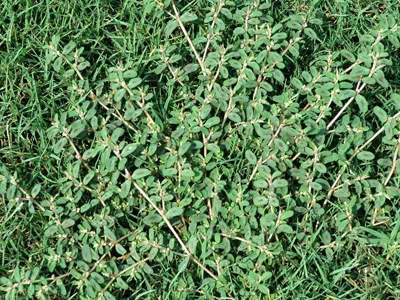
Look for these distinctive features of crabgrass:
- Blades that are noticeably wider and flatter than your regular lawn grasses
- Visible hairs running along both the leaf surfaces and stem edges
- A creeping, horizontal growth habit
- A lighter or more yellowish-green color
- Stems that extend longer than the grass around them
Still not sure? Snap a pic of the area and share it with a lawn care professional. Lookalike weeds may seem similar but respond differently to treatment.
Crabgrass Pre-Emergent Is Your Best Bet
The smartest approach to crabgrass? Preventing it from establishing in the first place. Pre-emergent herbicides accomplish weed control by creating a barrier just below the soil surface that stops germinating seeds from ever putting down roots.
Two main delivery formats are on the market:
Liquid pre-emergents
These move through the soil quickly and lay down consistent, uniform coverage. They require a sprayer and a steady hand during application, which is why lawn care professionals tend to favor them.
Granular pre-emergents
These are often better suited for DIY lawn care. A broadcast spreader is all the equipment you need, and these products are easy to source. But remember, granular formulations won’t activate on their own. They need water from rain or irrigation to penetrate the soil and form that protective layer.
Timing Your Crabgrass Pre-Emergent
Florida’s warm climate puts you ahead of most of the country when it comes to crabgrass pressure. So your application window opens earlier and demands attention sooner.
Soil temperature gives you the most accurate signal. Once the soil two inches below the surface reaches 55–60°F, crabgrass seeds begin germinating.
If you prefer natural indicators, two plants serve as useful seasonal markers:
- Forsythia, with its characteristic bright yellow blooms, finishes flowering several weeks before crabgrass germination gets underway in USDA Zones 5 to 8.
- Lilacs bloom in tighter alignment with actual germination timing across USDA Zones 3 to 7. Seeing lilacs in flower means your window is either open or about to open.
Where you live shifts the calendar significantly. In warmer, southern climates like Florida, germination can arrive as early as February or March, and crabgrass stays active longer into the season. The Midwest and transition zone typically target April. Even further north, where soils warm slowly, homeowners may not need to act until late April or May.
Keep in mind that sunny areas warm up ahead of spots that sit in shade for most of the day. The areas of your lawn that get the most direct sun may need treatment before the shadier sections do.
Should You Try a Split Application Strategy?
Instead of applying all your pre-emergent in one go, consider dividing the dose across two spring treatments. Crabgrass germinates in pulses as temperatures shift. In other words, a single application may run out of protective power before the full germination window closes.
A typical split-application schedule:
- First application: when soil temperatures reach approximately 50–55°F and your earliest timing signals appear
- Second application: roughly 6 to 8 weeks later
This two-step approach extends your coverage through a longer stretch of the germination season and is standard practice in professional lawn programs across Florida.
When Does Pre-Emergent Not Work?
Don’t forget that pre-emergent herbicide doesn’t target crabgrass seeds exclusively. It suppresses germination across the board. That includes any grass seed you put down after applying it.
Newly established lawns need a grace period. If you’ve recently seeded or installed sod, give the turf time to fully establish before applying any pre-emergent. Most professionals recommend waiting until you’ve completed at least three or four full mowing cycles.
Crabgrass Already Showing Up?
If you missed the prevention window, consider your post-emergent options. It’s not as clean a solution as crabgrass preventer, but it can still get results.
Spray and Treatment Tips
Because crabgrass grows so flat and wide, simply wetting the center of the plant isn’t enough. Good leaf coverage across the full spread of the plant is what drives effective absorption. Hold off on mowing for a full 48 hours on either side of your application. And remember that most established infestations will need a second treatment 7 to 10 days after the first.
When to Treat
Early-stage plants are your easiest target. Crabgrass caught in late April or May responds far better to herbicide than the dense, mature mats you’ll encounter by midsummer. The earlier you treat, the better!
Post-Emergent Crabgrass Products
Glyphosate eliminates everything it touches, turf included. It’s only appropriate as a spot treatment when you’re fully prepared to reseed the affected area afterward. Think of it as a reset button for a heavily infested zone.
Quinclorac is the leading selective post-emergent option for crabgrass. Selective means it pursues the weed without taking out your desired grass. However, selectivity varies by turf type, and some warm-season varieties can react poorly. Always verify label compatibility before you spray.
Fenoxaprop is another selective herbicide that works well on crabgrass, though it’s more commonly used in professional applications than available in retail formulations.
Lawn Practices That Keep Crabgrass from Coming Back
Applying crabgrass preventer once a year and leaving everything else to chance is a losing strategy. A lawn with real staying power against weeds is one that’s been built to be thick, deeply rooted, and consistently healthy.
Aerate. If your soil is compacted, grass roots struggle. However, crabgrass loves it. Annual aeration opens the soil, improves drainage, and helps fertilizer and water reach where they’re needed.
Try corn gluten meal. It won’t deliver the immediate, reliable control that synthetic pre-emergents offer, but corn gluten meal does work. And it doubles as a mild nitrogen source, which is a useful bonus.
Mow at a higher setting. Longer grass blades cast more shade on the soil surface, which keeps ground-level temperatures lower and slows germination. Taller turf also signals the plant to develop a more extensive root system.
Run a soil test. Off-balance pH or nutrient deficiencies limit how well your lawn can compete with weeds, no matter what you spray on it. A soil test, available through your county extension office or a private lab, gives you a precise picture of what needs to be corrected.
Water deeply and less often. Frequent shallow irrigation concentrates moisture right at the soil surface—the exact zone where crabgrass seeds are waiting. Shifting to one deep watering session per week encourages grass roots to grow downward, away from that surface layer.
Why Didn’t Your Crabgrass Preventer Work?
If you applied pre-emergent and crabgrass still showed up, you’re probably wondering where things went wrong. These are the most common culprits.
- Applied too early. The product lost its effectiveness before the bulk of germination happened.
- Applied too late. Seeds had already germinated. Pre-emergent is powerless against plants that are already up.
- Didn’t water it in. Granular products in particular need rainfall or irrigation to activate.
- Uneven coverage. Stripes and misses from a spreader leave gaps where crabgrass has free rein. Calibrate your spreader, walk at a consistent pace, and overlap your passes slightly.
- Soil was disturbed after application. Aerating, dethatching, or digging after applying pre-emergent can break the herbicide barrier.
- Wrong rate or dilution. Applying too little is a common DIY mistake, so be sure to follow the label precisely.
- The lawn itself is the problem. If your turf is thin, stressed, or growing in heavily compacted soil, pre-emergent can only do so much. Address the underlying conditions.
Crabgrass Management by Season in Florida
Spring
Track your soil temperature closely as the season opens and apply pre-emergent before that 55–60°F threshold. If you’re heading into a long, warm spring, plan for a split application to extend your protection. Set your mower to a higher cut right from the first session of the season.
Summer
Watch for any crabgrass that manages to break through your prevention barrier and treat it right away. Young plants are far easier to handle than established ones. Keep your watering on a deep, consistent schedule and resist cutting the lawn down during the hottest stretches of summer.
Fall
It may die back in fall, but the work you do during this season directly shapes next spring’s outcome. Aeration and a solid fall fertilization round out the work and set the lawn up to compete hard when weed pressure returns.
Crabgrass Questions & Answers
-
Does mowing spread crabgrass?
It can, especially once the plant has developed seed heads.
-
Will pre-emergent do anything if crabgrass has already taken over?
No. By that point, you need a post-emergent product or a longer-term strategy to rebuild turf density.
-
Does crabgrass disappear completely in winter?
The plant dies with the first frost, yes. The seed bank it deposited into your soil does not. Those seeds carry over winter fully intact and are ready to germinate again as soon as conditions allow.
-
Can I put down fertilizer and pre-emergent at the same time?
In many cases, yes. Combination granular products that include both a fertilizer component and a pre-emergent are widely available.
Luv-A-Lawn Has the Answers for Your Florida Yard
Getting on top of crabgrass comes down to acting at the right time with the right product. Plus, making sure the underlying lawn is healthy enough to stay competitive. Florida’s extended warm season means the pressure window is longer here than in most of the country, which raises the stakes on timing even further.
Want to win the crabgrass battle in your yard? Reach out to the lawn care experts at Luv-A-Lawn! We proudly serve several Florida cities and the surrounding communities, ensuring high-quality lawn care and pest control services across the region: